
1. An overactive immune system
1. An overactive immune system
While the exact cause of your chronic hives is unknown, it’s believed to start with the immune system becoming overactive by unknown internal causes or external triggers.


What is chronic hives?
Chronic hives refers to several types of conditions characterized by hives, swelling, or both for more than 6 weeks with or without a clear trigger.
Actor portrayals.
Chronic hives can happen because of a specific trigger or without one. They can persist over time, though the patterns may vary. Even when symptoms improve, chronic hives can return.
Chronic spontaneous urticaria (also called chronic hives with no known external trigger) isn't caused by an allergy or external trigger, hives appear suddenly, and come and go without warning. Chronic hives symptoms last for more than 6 weeks.
Chronic inducible urticaria (also called chronic hives with triggers) includes multiple types of chronic hives that differ based on what trigger causes them to appear. Triggers can include heat, cold, pressure on the skin, exercise, sunlight, water, or vibration. Hives will typically appear shortly after exposure.
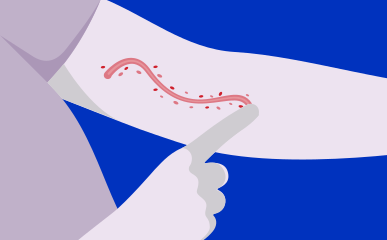
Symptomatic dermographism
The most common form of chronic hives with triggers is symptomatic dermographism. It's also called “chronic hives from scratching or rubbing” and it affects more than 70% of people with chronic hives with triggers. Scratching or rubbing on the skin may cause raised, red, itchy lines to appear within minutes. For some people, even everyday things like tight clothing that rubs against the skin can trigger hives or itching.
If you're not sure which type you have, it's important to track your symptoms and talk to your doctor.




1. An overactive immune system
While the exact cause of your chronic hives is unknown, it’s believed to start with the immune system becoming overactive by unknown internal causes or external triggers.

2. Dysregulated immune responses
Like a chain reaction, the irregular signals are passed through the immune cells.

3. Histamine release
The signal causes the cells to release a large amount of histamine.

4. Symptoms
The result is the symptoms of chronic hives, including hives, itch, and severe swelling under the skin (angioedema).
Dr Payel Gupta debunks some common myths about chronic hives with no known external triggers.
Dr Gupta received compensation from Novartis.
It's frustrating that a diagnosis or starting treatment can sometimes take over 2 years. Because chronic hives can resemble allergies or other skin conditions, it can make the diagnosis more challenging or even lead to misdiagnosis. Symptoms that come and go may also lead people to delay seeking care or try to manage hives on their own.
If you still have questions or concerns, don't give up. Talk to your health care provider. Find out about current management approaches.
The reality is that living with chronic hives goes way beyond the physical symptoms—and you’re far from alone in this experience.
Looking for more resources and support? We've got you covered.
Get connected
Access tools and tips for managing your chronic hives.